
In essence, there are two types of attribution:
-
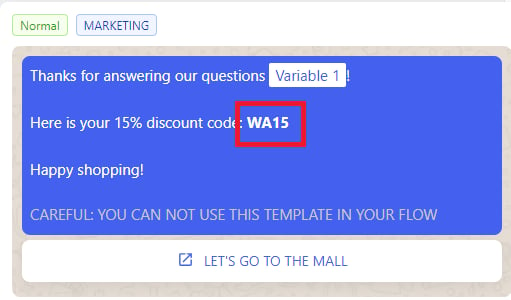
Attribution via discount code: This type of attribution is done within a 24-hour window starting with the time of the campaign sent. All purchases in the store that use the discount code of the WhatsApp campaign are attributed to the Chatarmin revenue.
-
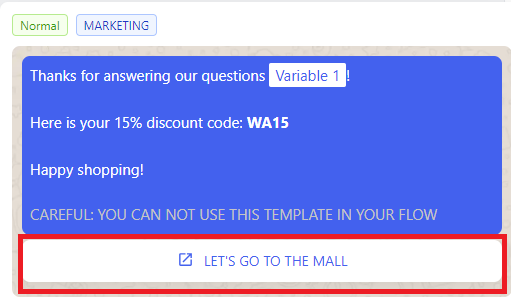
Attribution via CTA: Every user who purchases in the store within 24 hours of clicking the link on WhatsApp is attributed to Chatarmin revenue. - If this link is not out of context (can be determined by the path & UTM params in the link) [attributed by Email/phone Number]
Attribution via UTM
MORE DETAILED INFORMATIONS TO OUR ATTRIBUTION
🕒 1. Attribution Is Based on Click, Not Send Time
When a user clicks on a link from a campaign or a flow, a 24-hour attribution window begins. If the user makes a purchase within that window, the revenue will be attributed to the source of the click, even if the campaign or message was sent days earlier. Example:Campaign sent on May 18 → user clicks link on May 26 → purchase happens May 26
➜ Revenue is attributed to the May 18 campaign.
📉 2. “Why Does My Dashboard Show More Revenue Than My Campaigns or Flows?”
Your Chatarmin dashboard might show higher total revenue than what’s attributed to individual flows or campaigns. Here’s why:- Some revenue is attributed to chat interactions.
- Revenue can also be tracked through service flows or manual voucher distribution via WhatsApp.
- Orders from users with known emails (from Shopify) can still be attributed even without a visible message interaction.
💬 3. What Does “Chat” Attribution Mean?
If a user had any interaction with your WhatsApp Business number, even something as simple as: User: “Hi”Agent (AI Bot):“Hello 👋” …and then the user places an order, ➡ That revenue may be attributed to chat, because the system recognizes an active conversation before the purchase. Important: The user doesn’t necessarily need to click a link in the chat for revenue to be attributed – any contact may qualify.